This summary based on the scientific review “Integrated Biotechnological Strategies for the Sustainability and Quality of Mediterranean Sea Bass (Dicentrarchus labrax) and Sea Bream (Sparus aurata)”, published in Foods (Vol. 14, Issue 6) by Rosati et al., 2025.
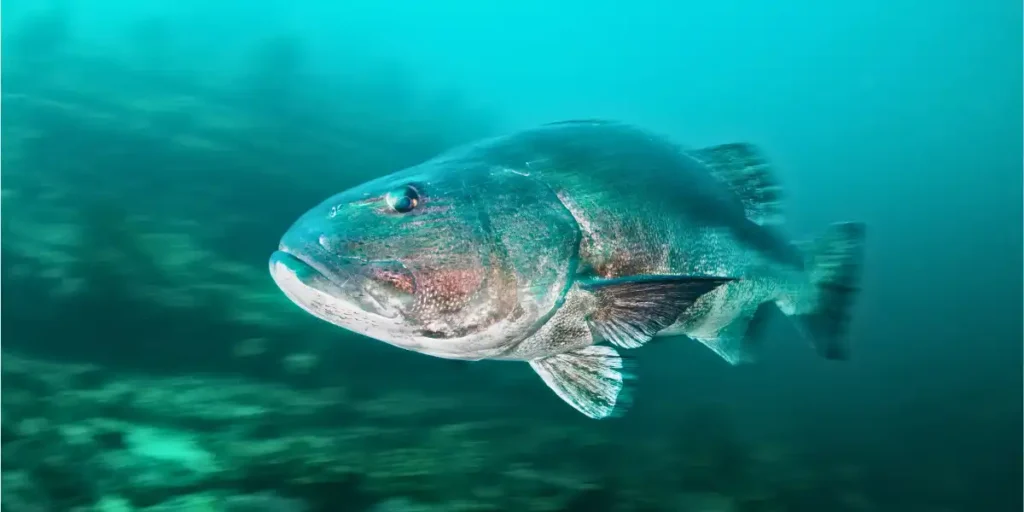
Across the Mediterranean, sea bass and sea bream are two of the most popular fish on dinner plates. But behind every grilled fillet lies a growing environmental challenge: how to meet rising demand without exhausting marine ecosystems. A recent scientific review published in Foods explores how biotechnology can help make aquaculture – the farming of fish, both more sustainable and more efficient, while ensuring that the fish reaching our plates stay fresher for longer.
Aquaculture already provides more than half of the world’s seafood. In the Mediterranean, nearly all the sea bass (Dicentrarchus labrax) and sea bream (Sparus aurata) consumed are farmed. Yet traditional fish-farming practices, often involving open-sea cages, can release uneaten feed, waste, and chemicals into surrounding waters, affecting local ecosystems and wild species. At the same time, the fish themselves are delicate: their flesh spoils quickly, and large portions of the harvest are lost before reaching consumers. The challenge, then, is to make aquaculture cleaner and more efficient, producing high-quality fish with minimal waste.
The authors of this 2025 review, Integrated Biotechnological Strategies for the Sustainability and Quality of Mediterranean Sea Bass (Dicentrarchus labrax) and Sea Bream (Sparus aurata), examined a broad range of recent studies and innovations in aquaculture. Their goal was to identify technologies that can make the production of these two species more sustainable across the entire value chain, from the fish farm to the dinner table.
They grouped these strategies into three major areas:
1. Eco-friendly farming systems, especially Integrated Multi-Trophic Aquaculture (IMTA).
2. Microbiological innovations, including the use of beneficial bacteria and natural preservatives.
3. Circular-economy approaches, such as reusing waste and by-products to reduce environmental impact.
IMTA systems combine species from different levels of the food chain, for example, fish, shellfish, and seaweeds – in a single, balanced ecosystem. In these systems, the waste produced by fish becomes a nutrient source for algae or mussels, reducing pollution and improving overall efficiency. Early experiments show that sea bream raised in IMTA settings may even have better nutritional profiles and more appealing color and flavor than those raised conventionally.
In parallel, researchers are exploring biopreservation: using natural microorganisms or plant extracts to keep fish fresh without relying on synthetic additives. Friendly bacteria, such as lactic acid bacteria, can slow the growth of spoilage microbes, while edible coatings made from citrus peel or seaweed compounds act as protective films on fillets. Together, these methods could extend shelf life and reduce the large share of seafood wasted due to spoilage.
Finally, a circular-economy perspective ties everything together – turning what was once waste into valuable resources. Fish-processing leftovers can be transformed into bio-plastics, fertilizers, or animal feed, while improved packaging and cold-chain systems ensure that fewer fish are discarded.
The review highlights how sustainability and food quality are interconnected. Cleaner farming systems reduce pollution and fish stress, which in turn leads to healthier, tastier products. Natural preservation methods cut down on chemical use while reducing waste, benefiting both consumers and the planet.
By combining biotechnology, microbiology, and environmental management, this integrated approach could serve as a model for other aquaculture sectors worldwide. The authors call for continued collaboration among scientists, policymakers, and industry to bring these innovations from research to real-world application – a crucial step toward feeding the future without emptying the oceans.
Citation:
Gallego, M. G., Medina, I., & Sánchez, M. (2025). Integrated Biotechnological Strategies for the Sustainability and Quality of Mediterranean Sea Bass (Dicentrarchus labrax) and Sea Bream (Sparus aurata). Foods, 14(6), 1020. https://doi.org/10.3390/foods14061020