
Green Factories: Why Pharma Giants Should Look at Microalgae for Drug Manufacturing
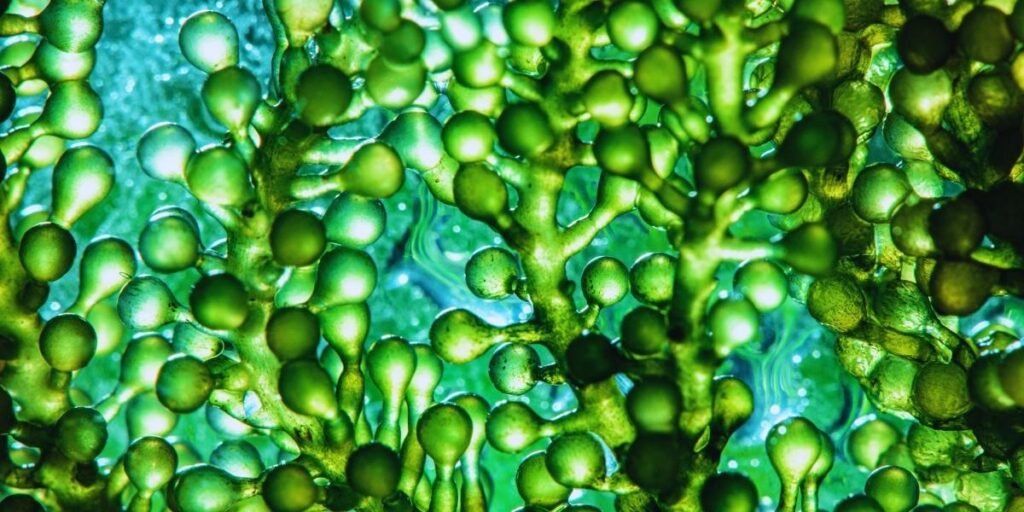
Strategic Overview: Microalgae as a Manufacturing Factory
Molecular crystals are foundational to pharmaceutical development, yet traditional crystallization remains a costly, carbon-intensive bottleneck.
Current industrial processes rely on toxic organic solvents and extreme thermal conditions, driving up operational costs and environmental regulatory burdens.
A groundbreaking study in Nature Biotechnology now presents a disruptive alternative: harnessing microalgae as ‘living factories’ to synthesize complex crystals in aqueous, ambient conditions. This biological approach eliminates the need for harsh chemicals while offering precise control over crystal morphology – a critical factor in drug bioavailability and stability.
For the pharmaceutical industry, shifting from traditional chemical synthesis to green, cellular production represents a strategic move to optimize manufacturing economics and dramatically lower the environmental footprint.
Strategic Implications for the Biotech Industry
The shift from traditional chemical synthesis to biological fabrication using microalgae isn’t just a scientific curiosity. It’s a potential paradigm shift for pharmaceutical manufacturing. For leaders in the biotech space, this research highlights three critical areas for long-term strategic planning:
Manufacturing Efficiency & CapEx Reduction
Traditional crystallization often relies on heavy solvents and energy-intensive heating/cooling to achieve precise crystal structures. The ability to perform this in "living factories" under ambient conditions points toward a future of modular, low-energy bioreactors. This could fundamentally reduce both OpEx and the massive capital expenditure required for traditional chemical plant infrastructure.
IP Moats Through Structural Control
One of the most significant findings is the ability to generate crystals with tailored morphologies. In the pharma world, crystal structure directly impacts bioavailability, solubility, and patentability. Companies that can master biological control over crystal morphology will have a significant competitive advantage in creating unique, patentable formulations that are difficult for competitors to replicate.
ESG as a Competitive Driver
As pharmaceutical companies face mounting pressure to reduce their environmental footprint (Scope 3 emissions), transitioning to green biosynthesis is no less than a regulatory necessity. This technology offers a pathway to decouple drug production from toxic organic solvents, directly aligning manufacturing roadmaps with global ESG compliance standards.
The Bottom Line: We are entering an era of “Bio-Manufacturing.”
The winners will be those who optimize the biological factories that produce them.
References & Sources:
Harnessing microalgae for the biosynthesis of molecular crystals
Wagner, A., Margalit, N., Fishman, Y. et al. Harnessing microalgae for the biosynthesis of molecular crystals. Nat Biotechnol (2026). https://doi.org/10.1038/s41587-026-03006-6
A universal foundation model for transfer learning in molecular crystals
Feng M, Zhao C, Day GM, Evangelopoulos X, Cooper AI. A universal foundation model for transfer learning in molecular crystals. Chem Sci. 2025 May 21;16(28):12844-12859. doi: 10.1039/d5sc00677e. PMID: 40538896; PMCID: PMC12174991.
Do you have a disruptive technology you need to communicate effectively to investors or business partners? Let’s talk.

I’m Noa – a biotech communication strategist. With a B.Sc. in Marine Biology and a deep understanding of GCP compliance, I bridge the gap between complex R&D and industry leaders, turning scientific data into clear, actionable business narratives.