
A Glimpse Into My Work: Articles & Publications
Welcome to my portfolio. Here, you’ll find a collection of my work in science and communication. My mission is to present complex topics simply and effectively. Explore articles that bridge knowledge with actionable insights.
White Papers
Translating complex scientific data into strategic industry insights. These deep-dive reports bridge the gap between academic research and clinical application, providing biotech and pharma stakeholders with a clear roadmap of emerging therapeutic trends.
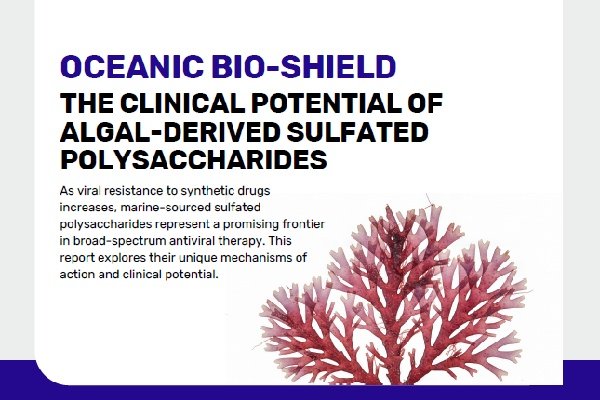
Oceanic Bio-Shield
A comprehensive analysis of sulfated polysaccharides’ role in modern antiviral therapy. This white paper bridges complex marine biochemistry with clinical development pathways, adhering to GCP standards.
Articles
A selection of my published work with Zavit – Science and Environment News Agency. These articles, featured in leading Israeli outlets such as Ynet, Israel Hayom, Walla, and MAKO, highlight complex scientific and environmental topics in a clear and accessible way. Each piece was originally published in Hebrew, with summaries provided here in English and links to the full articles.
The Sea Knows No Borders: Pollution from Lebanon May Threaten Israel’s Shores
Ynet
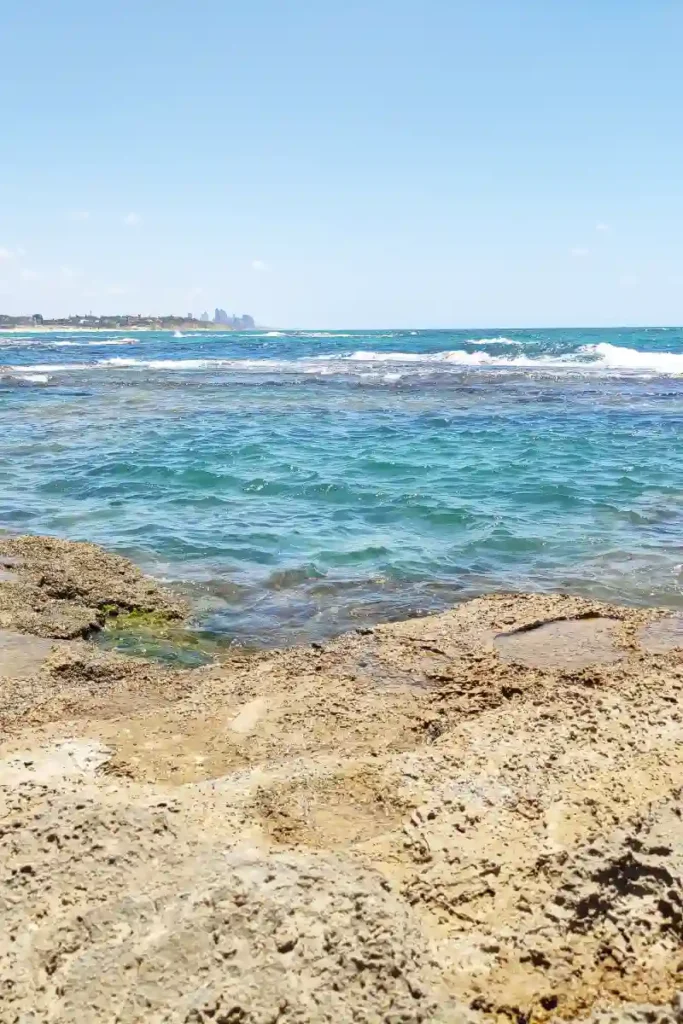
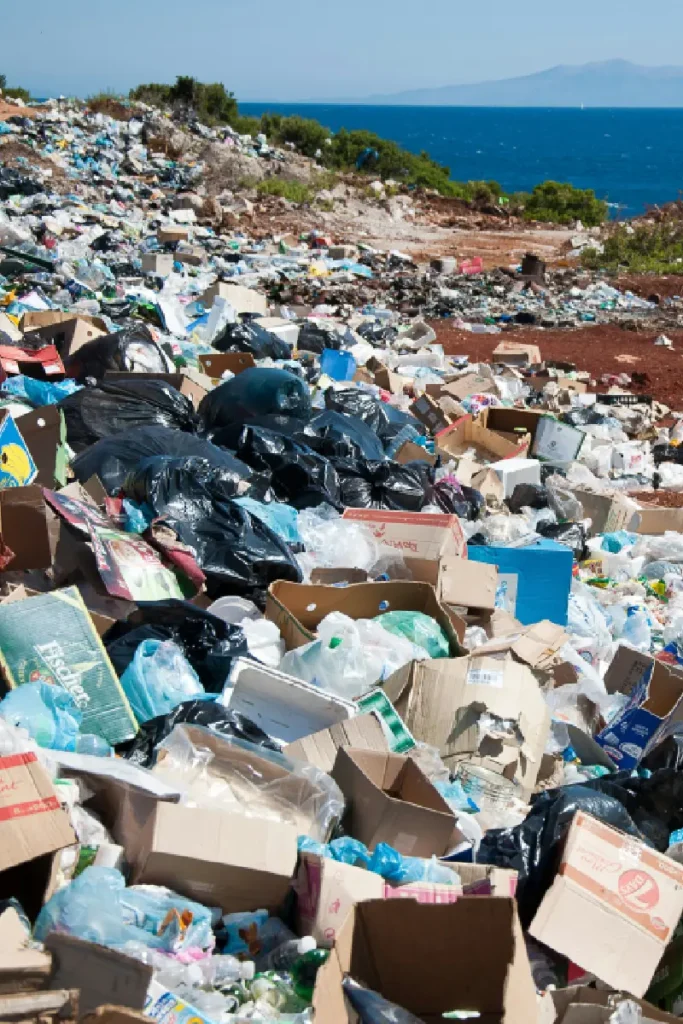
Industrial waste, untreated sewage, and harmful chemicals continue to flow from Lebanon’s coast into the Mediterranean Sea. Researchers detected unusually high concentrations of heavy metals, pharmaceuticals, and microplastics along Lebanon’s shoreline. These pollutants do not break down easily and accumulate in marine life such as fish, crabs, sharks, and sea turtles.
Through the food web, toxic substances can eventually reach humans, posing risks such as neurological damage, infertility, and cancer. Evidence shows that pollutants from neighboring countries, including Lebanon, have already appeared along Israel’s northern shores. Although ocean currents generally flow south to north, seasonal changes can carry waste southward into Israeli waters. International conventions like the Barcelona Convention aim to address shared marine pollution, but cooperation remains limited. Despite challenges, regional monitoring projects and collaborations with Cyprus and UNEP offer hope for protecting a shared Mediterranean Sea.
Is Hadera Finally Breathing Easier?
Ynet
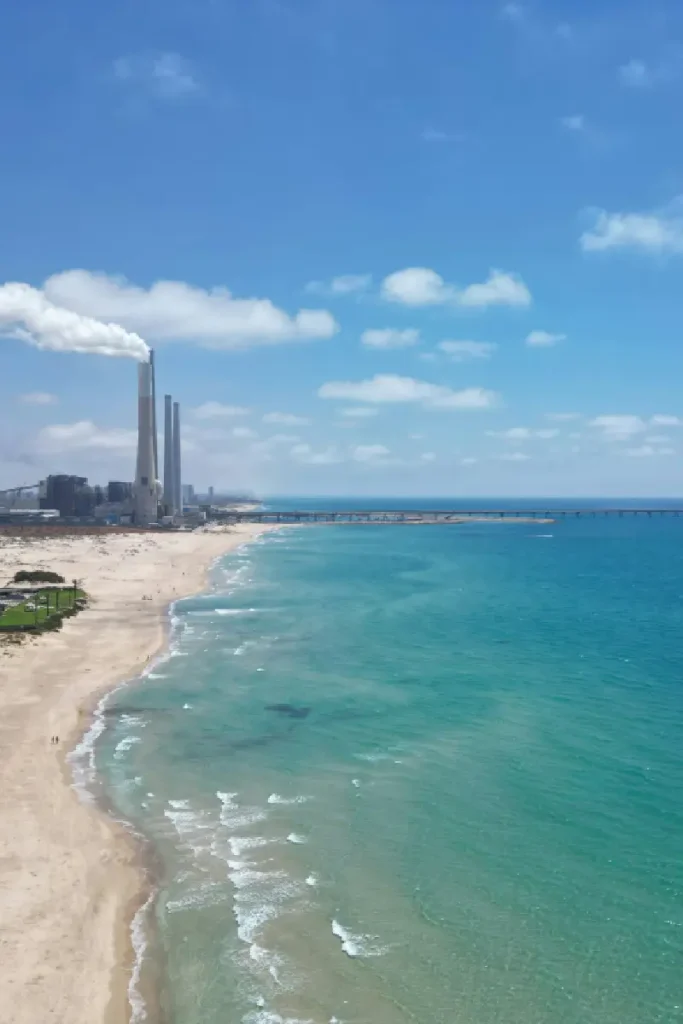
The Orot Rabin coal power plant in Hadera has long been one of Israel’s most polluting facilities.
A new study examined the effect of advanced filtering systems installed on two of the plant’s six units.
These technologies, including wet scrubbers and selective catalytic reduction, significantly reduced sulfur dioxide and nitrogen oxide emissions. Monitoring data showed drops of over 40% in nitrogen oxides and more than 50% in sulfur dioxide during summer months.
The improvement has led to cleaner air in nearby communities, reducing health risks such as respiratory and cardiovascular diseases.
However, four coal units still operate without emission controls, continuing to release harmful pollutants daily. Researchers stress that while the systems are effective, coal remains an unsustainable and hazardous energy source. True clean air will only be achieved through a transition to renewable energy, though bureaucratic and economic barriers still delay this shift.
Out of Sight, Out of Mind: How Pollution Beneath the Surface Affects the Sea
Ynet
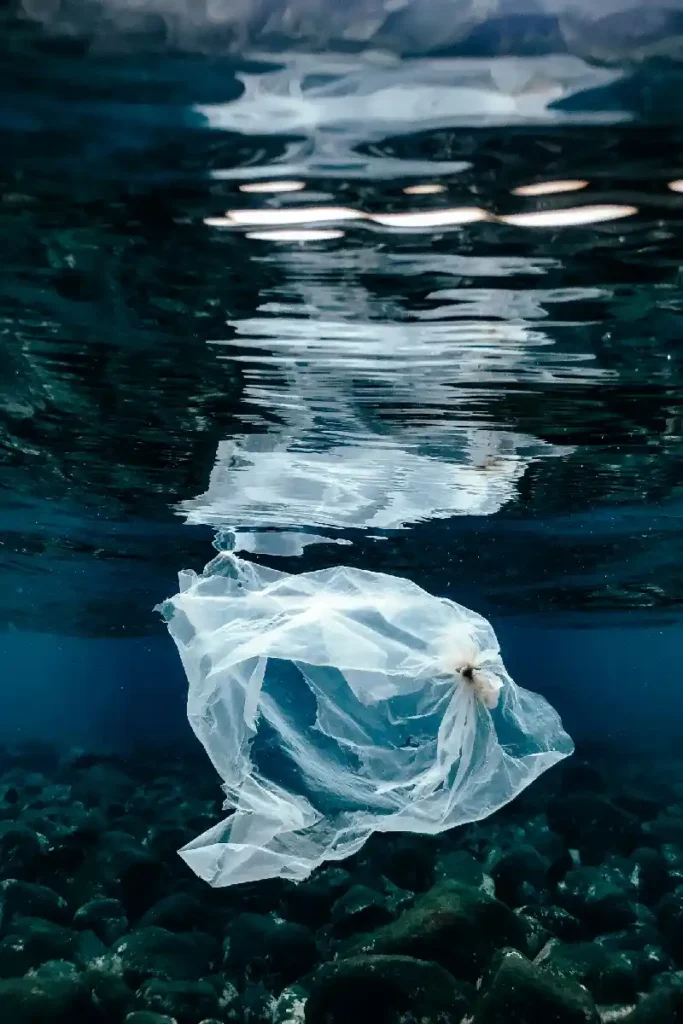
Marine pollution often grabs headlines when oil spills or tar reach the shoreline, but hidden contamination on the seafloor is just as damaging. Heavy metals, oil residues, and other pollutants sink to the seabed, persisting for years and threatening marine ecosystems.
A new Israeli study examined the long-term impacts of pollutants that settle deep under the sea’s surface. Researchers simulated different spill scenarios, testing how pollutants disperse, sink, and affect marine life over time. Findings showed that benthic species, like invertebrates living on the seabed, are the most vulnerable and recover extremely slowly. In some cases, populations took three to five years to return to partial strength, even under low levels of contamination. Despite these risks, most cleanup and monitoring efforts focus only on visible damage at the surface and along beaches. Experts warn that ignoring what happens below the surface creates blind spots in policy and leaves the Mediterranean ecosystem at risk.
Study Reveals Thousands of Hazardous Chemicals in Plastic - Here’s How We Can Protect Ourselves
Israel Hatyom
A global study found over 16,000 chemicals in plastics, with more than 4,200 classified as hazardous to health and the environment.
These substances include endocrine disruptors, carcinogens, and toxins that can accumulate in the body and persist in ecosystems.
Researchers highlighted that regulation is weak, with only about 6% of these harmful chemicals covered by international safety standards.
Common items such as food packaging, toys, bottles, and electronics expose people to plastic chemicals daily through ingestion, inhalation, or touch. Chemicals like bisphenol A, once widely used, have been restricted, yet similar substitutes (BPS, BPF) show evidence of health risks as well. The study emphasizes systemic solutions: phasing out unnecessary harmful chemicals, developing safer alternatives, and enforcing stricter regulations. For individuals, experts recommend choosing certified products, avoiding cheap unregulated imports, preferring glass or stainless steel, and practicing safe handling. Raising public awareness and pressuring policymakers are crucial steps toward reducing risks and ensuring safer use of plastics in the future.
From Gefilte Fish to Global Food Security: Can AI-Powered Aquaculture Save the World’s Fish?
Walla
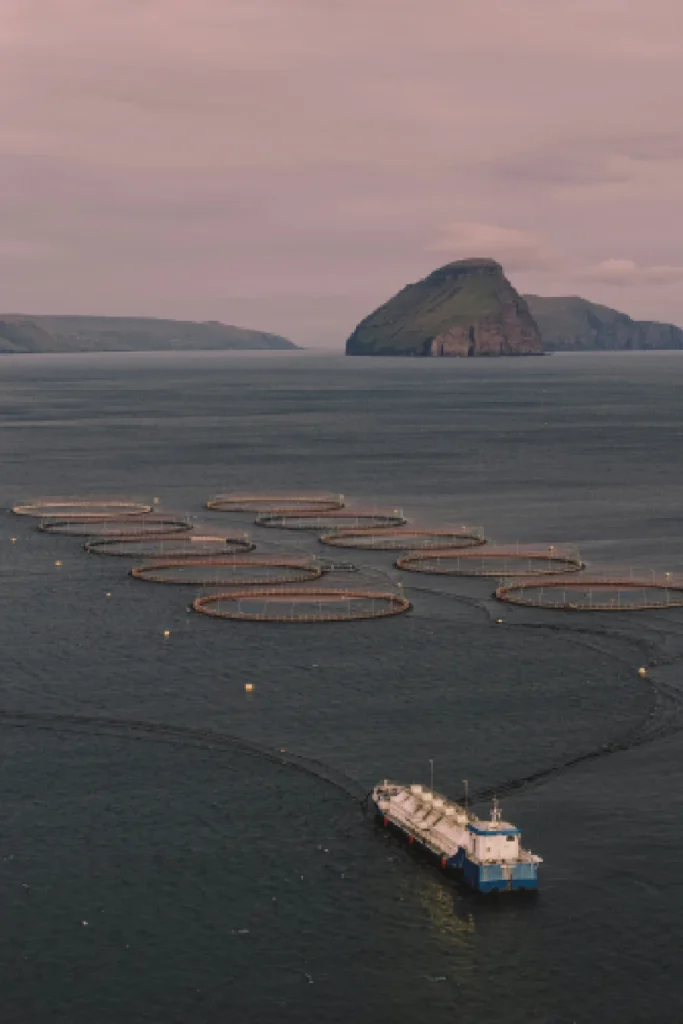
Global seafood consumption has risen by 128% since the 1960s, creating pressure on wild fish stocks and marine ecosystems. Aquaculture—farming fish, shellfish, and seaweed – offers a sustainable alternative to overfishing by producing seafood under controlled conditions. In Israel, where most seafood is imported, smart aquaculture could strengthen the local economy, improve food quality, and enhance food security. However, the industry faces challenges such as fish diseases, high feed costs, and water pollution from waste and greenhouse gas emissions. Artificial intelligence is now transforming the sector, using sensors, cameras, and algorithms to optimize feeding, monitor fish health, and reduce waste. These technologies improve survival rates, cut environmental impacts, and make fish farming more profitable and efficient. While Israel is still in the pilot stage, global companies have already raised hundreds of millions for AI aquaculture solutions. Experts believe Israel has the potential to become a leader in smart aquaculture, ensuring local food security while contributing innovative technologies to the global seafood market.
Calm, Comfort, and Recovery: How Nature Can Help Heal Trauma
Mako
In recent years, many in Israel have faced traumatic experiences, both directly and through media exposure. A new study reviewed dozens of nature-based interventions for post-traumatic stress and found that they can reduce symptoms in meaningful ways. Programs such as therapeutic gardening, guided walks, farm-based therapy, and outdoor workshops are already being piloted in Israel. PTSD often manifests as intrusive memories, restlessness, sleep problems, and avoidance, and experts note that nature can restore trust in the senses and provide healing experiences. Evidence shows that even brief exposure to natural environments – just ten minute, can reduce stress and anxiety. Researchers emphasize that nature-based therapy offers unique benefits: it is accessible, carries no side effects, and reduces stigma compared to clinical settings. Despite this, such approaches are not yet formally recognized in Israel’s health system and remain mostly community- or privately-led. Specialists suggest combining traditional therapies with nature-based ones to maximize recovery and resilience for trauma survivors.

The Secret Language of Israel’s Gazelle
Ynet
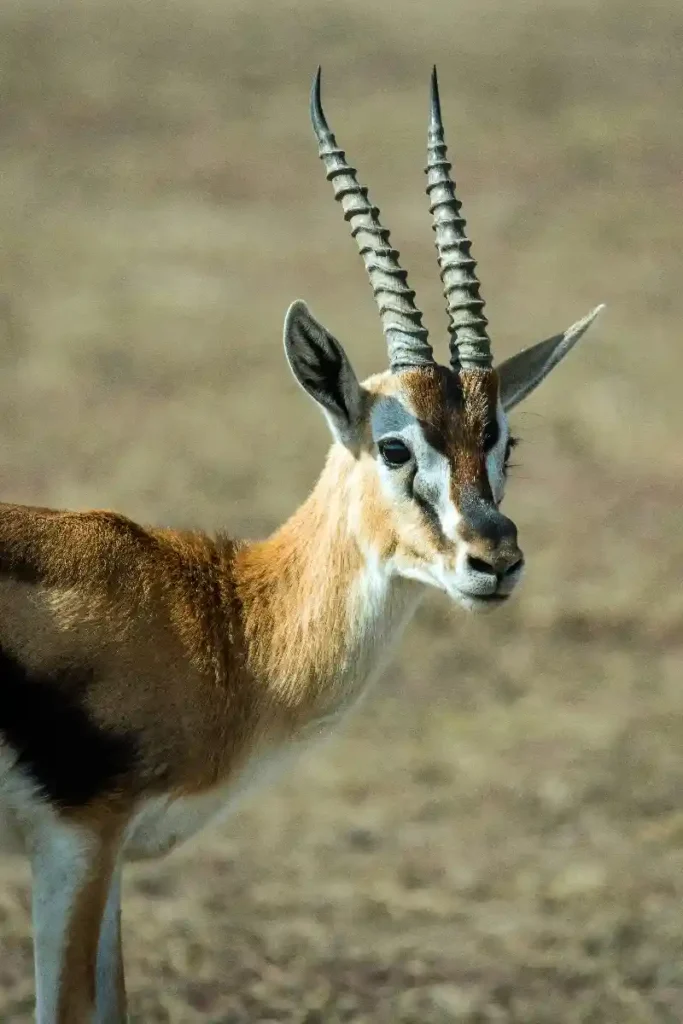
A groundbreaking study has, for the first time, decoded the vocal repertoire of the Israeli gazelle (Gazella gazella) – revealing its courtship, threat, and alarm calls. Once widespread across the Levant, the gazelle now survives in stable numbers only in Israel, though it remains endangered due to habitat loss, predators, poaching, and disease. Researchers identified six distinct calls in three main categories: males emit short, sharp threat snorts during territorial disputes; both sexes sound alarm calls when predators approach, often paired with high jumps that warn the herd and signal strength to predators; and males produce soft, subtle courtship calls that were rarely documented before. Understanding the gazelle’s vocal communication could help conservationists monitor populations and interpret their social behaviors in the wild. It also sheds light on the broader impacts of human-generated noise, which may disrupt these delicate communication systems and increase stress levels. By refining acoustic monitoring with advanced recording equipment, scientists hope to gain deeper insights into the gazelle’s world. This research highlights not only the beauty and ecological importance of the Israeli gazelle but also the urgent need to protect its habitats and reduce noise pollution to ensure its survival.
Why Are Flowers Colorful? Not Always Natural Selection at Work
Ynet
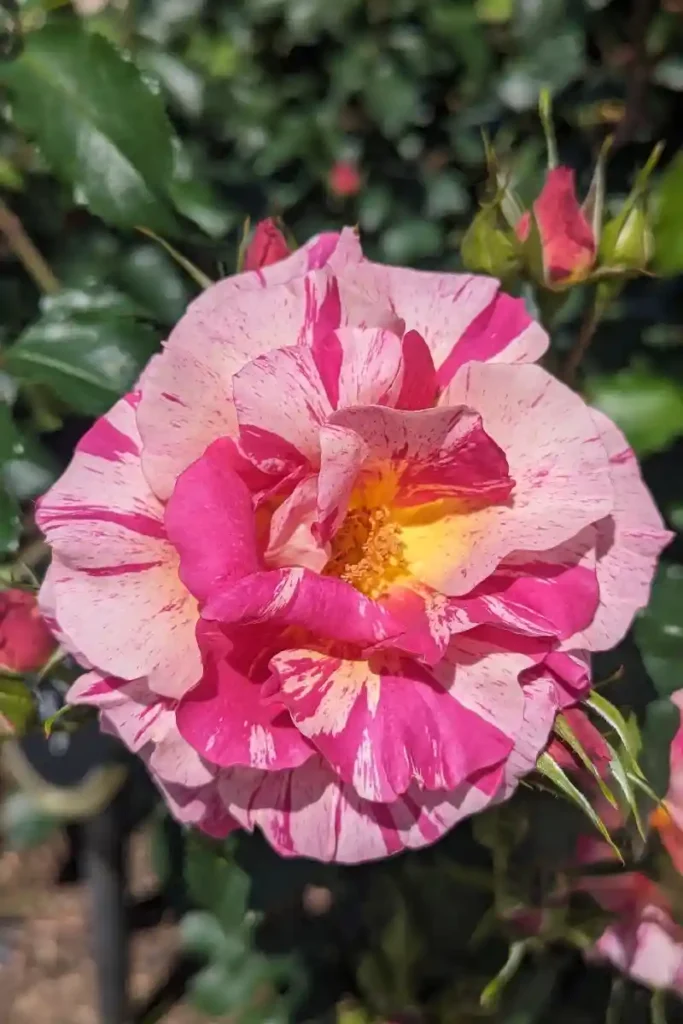
At first glance, flowers dazzle with colors that seem purposeful: reds, purples, whites, and yellows designed to attract pollinators or adapt to sunlight. But evolutionary research shows the story is more nuanced: sometimes flower colors serve a clear function, and sometimes they exist without any adaptive reason at all. Phenotypic variation – differences in outward traits like size, shape, or color, can arise from mutations or gene expression. When a specific color attracts more pollinators, natural selection favors it, narrowing variation. Yet in many cases, such as the Yeroham iris, colors shift gradually across a spectrum with no clear boundaries. Pollinators fail to distinguish between shades, so no single color gains dominance. The variation simply persists. Other flowers, like the hairy flax, maintain multiple color forms because pollinators behave differently at different times of day – preferring darker centers in the morning and lighter ones in the afternoon. In anemones, environmental conditions such as rainfall and soil calcium drive which colors thrive in specific regions. Ultimately, flower colors tell a broader evolutionary story: some hues are the product of strong selective pressures, while others remain because they carry no disadvantage. Behind every petal’s shade lies a mix of genetic chance, ecological influence, and, sometimes, sheer neutrality – reminding us that evolution is as much about randomness as it is about adaptation.
SEO Content
Alongside my scientific and medical writing work, I bring hands-on experience in SEO strategy and content optimization.
I completed a certified SEO course on Udemy and have applied these skills across diverse industries, including fashion, footwear, sustainability, and lifestyle. This background allows me to combine research-driven storytelling with keyword-focused precision, ensuring that every article is both engaging and visible to the right audiences.
Noa Travels
I run Noa Travels – a bilingual travel and mindfulness blog that blends storytelling with SEO expertise.
Through first-hand travel experiences and in-depth research, I’ve built articles that rank on Google and attract organic readers in both Hebrew and English. It’s where I combine creativity and structure, and where writing becomes exploration.
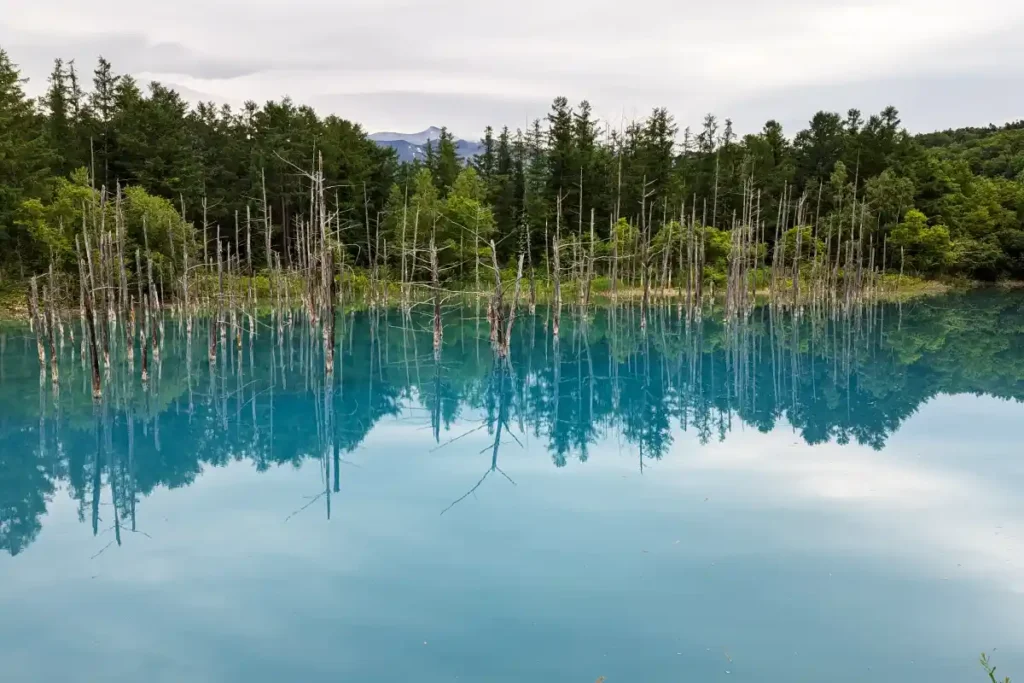
Hokkaido Japan: 4-day itinerary
Hokkaido is a perfect destination for anyone interested in getting to know Japan in depth and for lovers of Japanese nature and culture.
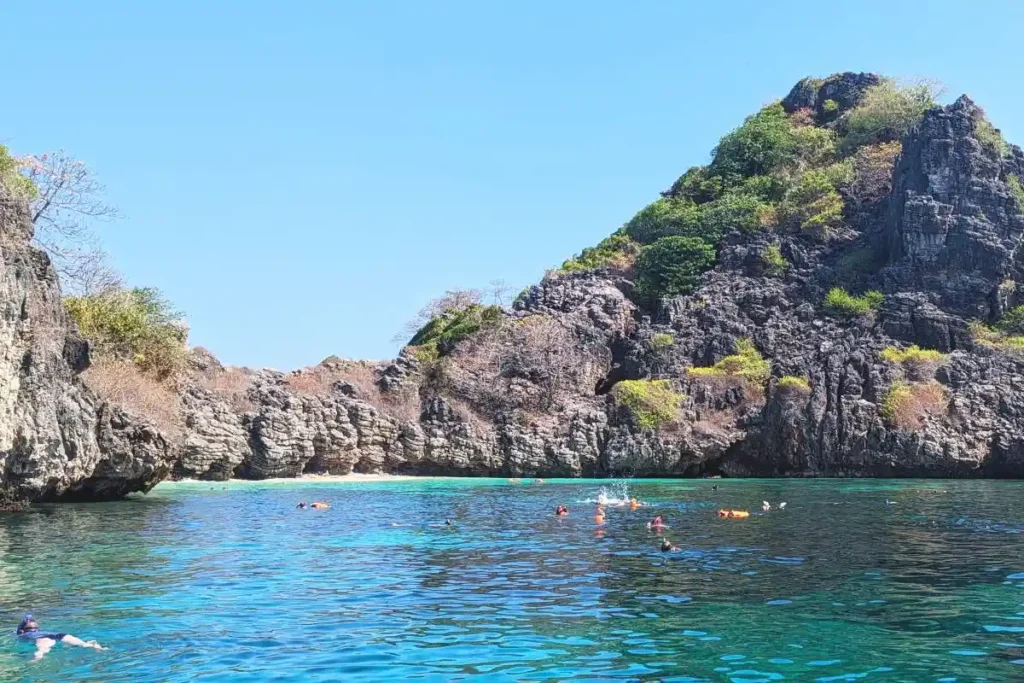
What to do in Krabi?
In Krabi province you will find high cliffs, turquoise sea, streams, rainforests and lots of delicious food. It is a great starting point for Koh Lanta and other special islands in Thailand worth exploring.
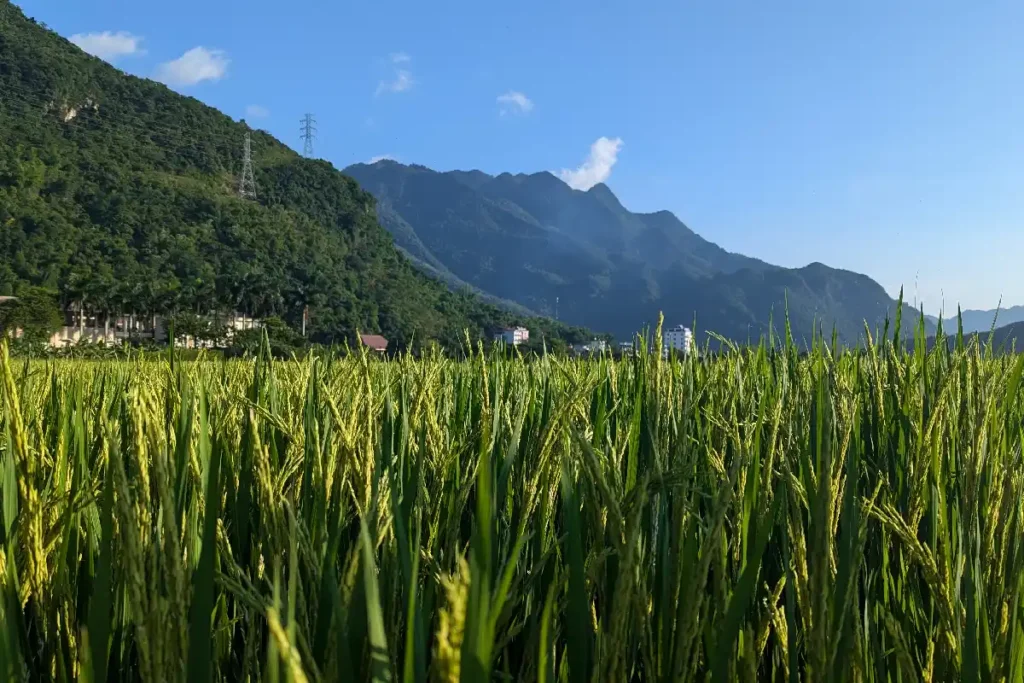
9 best attractions in Mai Chau Vietnam
Mai Chau is a province located northwest of Hanoi, about a four-hour drive, and has the magical town of Mai Chau near the city.